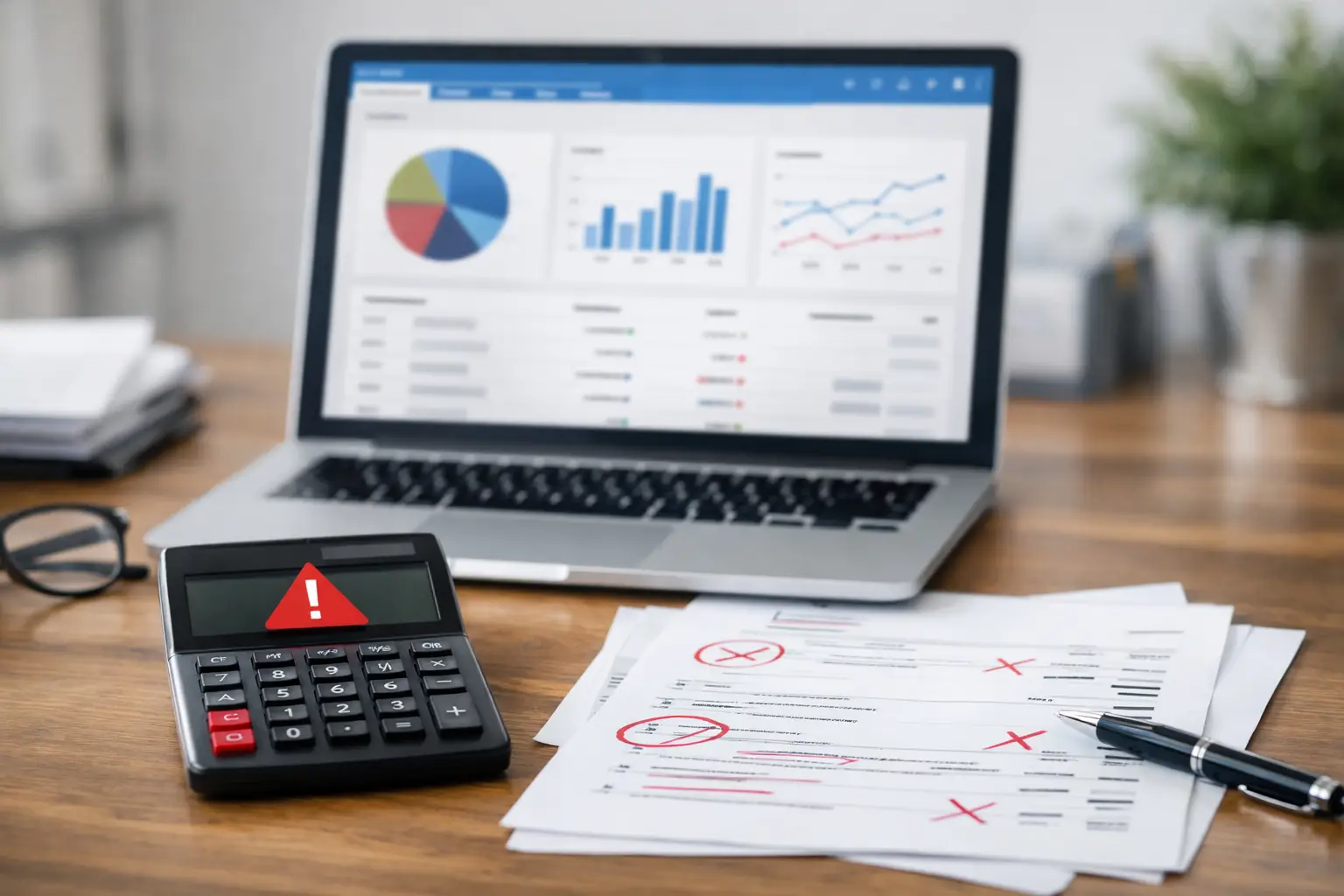



A Xero file rarely becomes messy all at once. It usually happens transaction by transaction: a bank feed rule posts something to the wrong account, a supplier is entered twice with slightly different names, invoices stay unpaid after they have been settled, or unreconciled items build up while business gets busy. Learning how to clean Xero files gives you clearer numbers, more reliable BAS preparation and fewer surprises when it is time to review performance or lodge tax returns.
The aim is not to make the file look perfect for its own sake. It is to make sure the numbers reflect what actually happened in your business, and that you can rely on reports when making decisions.
What a clean Xero file should show
A clean Xero file has bank accounts that agree with bank statements, transactions coded to sensible accounts, contacts that are not duplicated and bills or invoices that accurately show what is owed. It also has supporting documents attached where needed, particularly for larger purchases, contractor costs and expenses with GST.
For a sole trader, this may be a relatively quick job. For a trades business with staff, vehicles, suppliers and regular subcontractors, or an NDIS provider managing detailed income streams, it can take more care. The right level of detail depends on the business, but the records must still be consistent and easy to follow.
Before changing anything, decide what period you are cleaning. If the current financial year is in progress, start with the oldest unreconciled month and work forward. If prior BAS lodgements or tax returns have already been finalised, do not casually alter those periods. Changes can affect figures that have already been reported.
Start with a safe plan, not random deletions
The fastest way to create a bigger problem is to delete transactions simply because they look unfamiliar. A payment may have been matched incorrectly, a duplicated bill may be linked to a real bank transaction, or an older entry may be needed to explain a balance.
First, save copies of the key reports you will use as a reference: the bank reconciliation summary, balance sheet, profit and loss report, aged receivables and aged payables. Note the bank account balances and any amounts that need explaining. This gives you a point of comparison as you work.
Then work through the file in a logical order. Bank reconciliation comes first because it supports almost every other report in Xero. Once the bank accounts are correct, it is much easier to identify coding errors, duplicate entries and overdue invoices.
How to clean Xero files step by step
Reconcile every bank account properly
Go to each bank account and review unreconciled statement lines. Match payments and receipts to the correct invoices, bills or existing transactions. Where there is no existing transaction, create one only after checking the date, supplier, GST treatment and expense category.
Do not force a reconciliation by matching a bank line to the nearest amount. A $1,200 payment could be a supplier bill, a loan repayment, a transfer between accounts or several expenses paid together. Check the description and supporting document before deciding.
Transfers need particular attention. A transfer from your everyday account to a savings account should appear as a transfer, not income or an expense. The same applies to payments on business loans, credit cards and clearing accounts. Incorrect treatment can make profit look higher or lower than it really is.
If the Xero balance does not agree with the bank statement, investigate the difference rather than working around it. Common causes include missing transactions, duplicate entries, transactions entered with the wrong date, and items reconciled against the wrong bank account.
Remove duplicates carefully
Duplicates are common when bills are entered manually and then added again through an app, email forwarding or a bank feed workflow. They are also common where a supplier has been created more than once.
Search for duplicate bills using the supplier name, invoice number, date and amount. Check whether both entries have been paid or whether one is simply sitting in the draft or awaiting payment list. If an item has not been used in a reconciliation or reporting period, it may be safe to delete. If it has been paid or reconciled, the correction may require removing the reconciliation first and then correcting the underlying transaction.
For duplicate sales invoices, confirm the customer has not paid both invoices. If one invoice was sent by mistake but has no payment against it, voiding it generally preserves a clearer record than deleting it. The right treatment depends on the transaction status and whether the period has been finalised.
Merge duplicate contacts
A supplier might appear as ‘ABC Plumbing’, ‘A.B.C. Plumbing’ and ‘ABC Plumbing Pty Ltd’. Customer records can develop the same issue when names are entered differently by staff or imported from another system.
Choose the contact with the most complete details and transaction history as the main record. Review contact names, email addresses, ABNs and payment terms before merging or consolidating records. A tidy contact list makes it easier to see how much you owe a supplier, follow up customer debts and avoid entering the same bill twice.
Review account coding and GST treatment
Once the bank feeds are reconciled, run a profit and loss report and scan it line by line. Look for expenses that appear in unusual places, such as vehicle costs coded to office expenses, owner drawings included in wages, or loan repayments posted entirely as an expense.
Also check GST treatment. Not every payment has GST, and claiming GST where it does not apply can create BAS errors. Bank fees, insurance, loan repayments, wages, certain government charges and purchases from suppliers not registered for GST all need careful treatment. Keep tax invoices or other evidence for business expenses, especially where GST has been claimed.
For businesses using tracking categories, make sure transactions are allocated consistently. A retailer may use categories for locations, while a business with several service lines may use them to compare income and costs. Categories are useful only when they are applied consistently enough to produce reports you can act on.
Clear old invoices, bills and credit notes
Aged receivables and aged payables reports often expose problems that do not show clearly in the bank feed. Review old invoices that appear unpaid. They may be genuinely overdue, paid but not reconciled, written off, or duplicated.
Do the same for unpaid supplier bills. A bill sitting in Xero for six months may be a real amount owed, but it may also have been paid from a personal card, included in another payment or entered twice. Credit notes should be applied to the relevant invoice or bill rather than left sitting unexplained.
This matters because unpaid items affect cash flow reporting. If the report says customers owe you $20,000 when half of it was paid months ago, you cannot make good decisions from it.
Protect finalised periods
Cleaning does not mean rewriting history. If a BAS has been lodged or a tax return prepared from the file, check with your accountant before making changes to that period. A correction may be needed, but it should be made deliberately, with the impact on GST, PAYG and financial reports understood.
Use Xero’s lock dates once a period has been reviewed. A lock date reduces the risk of an old transaction being changed accidentally while someone is entering current work. It is particularly useful where more than one person has access to the file.
Where an error needs correcting, keep a clear note of what was changed and why. Good records make future reviews faster and reduce confusion if a team member, bookkeeper or accountant needs to trace a transaction later.
Keep the file clean each month
A cleanup project is worthwhile, but a simple monthly routine prevents the same issues returning. Reconcile bank accounts at least monthly, review unreconciled transactions, attach missing documents and check outstanding invoices and bills. Then run your profit and loss and balance sheet reports before treating the month as complete.
Bank rules can save time, but they should be reviewed regularly. A rule that once worked may become wrong if a supplier changes what they provide, prices change, or a business expense becomes partly private. Automation is helpful when it is monitored, not when it is left unchecked.
If your Xero file has years of unreconciled activity, unexplained balances or BAS periods that do not tie together, get support before making broad changes. A structured review can separate genuine errors from transactions that simply need better documentation. For Adelaide Hills business owners, Venables Accountants can help bring the file back to a usable, compliant position.
A clean Xero file should make running the business feel less uncertain. When the bank balances, invoices, GST and reports all tell the same story, you have numbers that support the next decision rather than another job to put off.